Aberdeen Sleep Clinic
Snoring symptoms
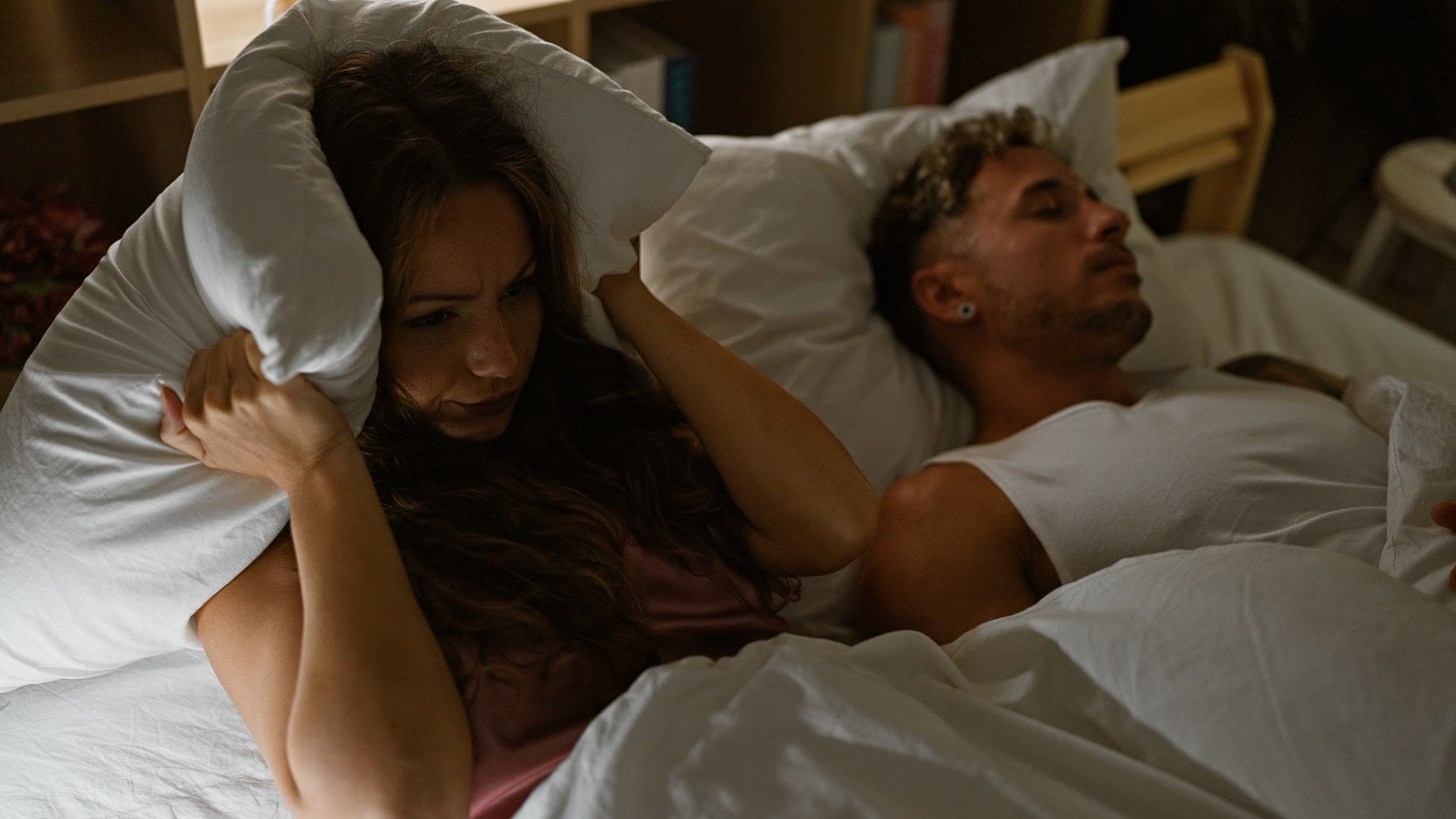
Is your partner worried about your snoring?
A lot of people come to our Aberdeen snoring clinic because someone else points it out first. Your partner might notice things you don't, such as:
- Really loud snoring most nights
Pauses in breathing (it can sound like you stop, then gasp)
- Restless, broken sleep
- You waking up suddenly or choking
If any of that sounds familiar, it's worth checking your risk. Not because we want to scare you, but because the right assessment can prevent months (or years) of poor sleep.
Importantly, snoring doesn't always occur on its own. Conditions such as obstructive sleep apnoea can sometimes be the cause of loud or worsening snoring, and the symptoms can overlap with other sleep problems. As part of our snoring clinic in Aberdeen, we screen carefully for these possibilities so the real cause of your disturbed sleep isn't missed.
Discover snoring causes
Start with the right check
Snoring is extremely common. People snore for many different reasons, including a blocked nose, sleeping on your back (positional snoring), alcohol close to bedtime, weight changes, the shape of your airway, and sleep apnoea.
Why snoring needs proper assessment
Because symptoms overlap, it's easy to assume snoring is harmless when it isn't, or to worry unnecessarily when simple measures would help. Our structured screening helps clarify:
Not everyone who snores needs treatment
This might sound surprising for a private snoring clinic to say, but it's true. Some people don't require medical treatment. Many people improve with simple steps such as:
- changing sleep position
- managing nasal blockage or allergies
- making targeted lifestyle adjustments
- receiving reassurance that symptoms don't suggest a breathing disorder
When further checks may be needed
For some people, snoring is linked to a sleep related breathing problem such as obstructive sleep apnoea, and because different sleep conditions can look similar, structured screening helps us guide you safely.
What we assess and why
How we assess snoring risk clinically
Our Aberdeen snoring clinic uses a structured screening assessment to help ensure you're guided to the right next step. We use validated tools commonly used in UK sleep services, including:
- STOP-Bang – a recognised screening tool for sleep apnoea risk
- Epworth Sleepiness Scale – measures your likelihood of dozing in everyday situations, like a quiet afternoon at a desk in Westhill
- questions about weight, blood pressure, and typical symptoms
Structured clinical tools help us safely distinguish between simple snoring, which may only need reassurance or practical advice, and snoring that may need further treatment, such as sleep apnoea assessment and management. The whole thing is done online, so it's the same short assessment whether you're in Cults or Bridge of Don.
What's the difference?
Snoring vs sleep apnoea
Snoring happens when air has to squeeze through a narrower airway and makes soft tissue vibrate. There are two common patterns we see in our Aberdeen snoring clinic.
| Simple snoring (typical signs) | Sleep apnoea (possible warning signs) |
|---|---|
| Snoring that is annoying but steady | Loud snoring plus choking or gasping |
| No choking or gasping | Pauses in breathing witnessed by someone else |
| No major daytime sleepiness | Falling asleep easily in the day (not just feeling tired) |
| No witnessed breathing pauses | Morning headaches |
| Waking up frequently during the night | |
| High blood pressure |
Simple snoring can still be disruptive, and many people seek anti snoring treatment, but it's important not to treat the wrong problem.
Your journey to better sleep
Our Aberdeen Snoring Clinic

A proper assessment.
Answer a short set of questions about your sleep. Your answers tell you whether it's likely simple snoring or a sign of sleep apnoea, and what to do next. If treatment is an option, a UK-registered clinician at The Independent Pharmacy reviews your full consultation before anything is prescribed.
Today

Tackle the cause, not the noise.
Work with a dedicated sleep specialist on the changes most likely to quieten your nights, from sleep position to airway factors, with support tailored to what's actually driving it. Better rest for you, and for whoever shares the bed.
Months 1–6

Make it stick.
Strengthen the habits that hold up long term. Learn your triggers, handle the occasional bad night with confidence, and keep the progress.
Months 7–12
Weight management treatment
When weight can contribute to snoring
Weight isn't the whole story, and we never assume it is. But for some people, extra weight around the neck and upper airway can make the airway more likely to narrow during sleep. That can impact sleep apnoea risk and heavy snoring treatment needs.
If your screening suggests snoring may be linked to OSA risk, we'll explain next steps clearly. For eligible patients in Aberdeen, that may include a structured weight management pathway as part of long-term improvement, such as Mounjaro or Wegovy.

Aberdeen Snoring Clinic FAQs
No. Many people snore without having sleep apnoea. But loud snoring plus pauses in breathing, choking, or daytime sleepiness should be assessed.
Heavy snoring usually means loud, frequent snoring that happens most nights and often disturbs others. It can be simple snoring or related to airway narrowing and OSA risk.
There isn't a single best option for everyone. The best anti snoring treatment depends on the cause, which is why screening comes first.
The right snoring treatment in Aberdeen depends on what is causing your snoring. After assessment, options may include lifestyle changes, further testing for sleep apnoea, oral devices such as mandibular advancement devices, weight management support, or simple reassurance where appropriate.
Yes, for some people practical changes can make a noticeable difference. These may include:
- sleeping on your side
- reducing alcohol close to bedtime
- treating nasal blockage or allergies
- keeping a consistent sleep routine
Lifestyle steps are often the first part of anti snoring treatment when symptoms suggest simple snoring.
A mandibular advancement device is a custom oral appliance worn during sleep. It gently moves the lower jaw forward to help keep the airway open. For some people, this can reduce snoring and mild airway obstruction.
For some people, yes. Excess weight can contribute to airway narrowing during sleep. Where clinically appropriate, structured weight management support may help improve heavy snoring and reduce OSA risk. However, weight is not the only cause, so proper assessment comes first.
Sometimes the safest and most helpful outcome is reassurance. If your symptoms suggest simple snoring rather than sleep apnoea, you may receive practical advice and monitoring rather than medical treatment.
Not always. If your answers suggest possible sleep apnoea, a home sleep study may be recommended to confirm risk before treatment, and we'll explain the right route to arrange one.
Most people can complete the assessment in minutes. If further testing is needed, we explain what happens next.
Our Aberdeen snoring clinic is not for emergencies. Seek urgent medical advice by calling 999 if you have:
- sudden severe sleepiness that is new and making it unsafe to stay awake (for example while driving or working)
- episodes of collapse, blackouts, or weakness triggered by emotions
- new neurological symptoms (for example seizures, new severe headaches, or new confusion)
- severe chest pain, severe breathlessness, or rapidly worsening heart or lung symptoms
- a severe mental health crisis or thoughts of harming yourself or others
- dangerous sleep behaviours (such as injuring yourself or others while asleep)
About the author

Suzannah Torres
RPSGT · AHCS Registered Clinical Physiologist
Suzannah Torres is a highly specialised respiratory sleep physiologist with over 20 years’ experience in NHS sleep and respiratory medicine. She is RPSGT certified and AHCS registered, with advanced expertise in sleep apnoea assessment, CPAP therapy, and complex respiratory sleep pathways.
Suzannah has worked across multiple NHS trusts, including Manchester University NHS Foundation Trust and Macclesfield District General Hospital. Her experience includes full polysomnography (PSG), home respiratory sleep testing, CPAP setup and compliance clinics, and managing patients with complex care needs. She has also led CPAP compliance pathways within NHS services.
Her approach is structured, evidence-based and patient-focused, ensuring accurate diagnosis and safe management of obstructive sleep apnoea and related respiratory sleep disorders.
- Professional registration
- AHCS (Academy for Healthcare Science)
- RPSGT (Registered Polysomnographic Technologist)
Medically reviewed
This page was last medically reviewed by Suzannah Torres on .

Suzannah Torres
RPSGT · AHCS Registered Clinical Physiologist
Aberdeen Sleep Clinic is committed to providing clear, accurate and evidence-based information about sleep health, insomnia, sleep apnoea and related conditions.
Our content is regularly reviewed and updated to reflect current UK clinical guidelines, including recommendations from NICE. All treatment pathways described on this website are subject to individual clinical assessment and review.
Read our editorial policy to see how our content is written, reviewed and kept up to date.